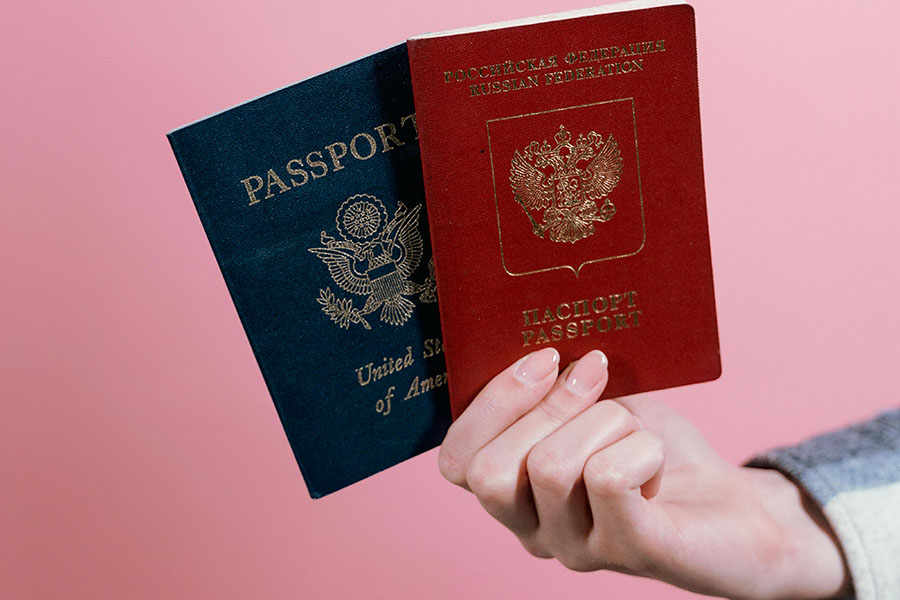
Starting your career is challenging. Starting your career in a different country, language, or culture? That’s next-level. I’ve been there (well, here in France) and am reflecting upon this experience to share with you during your adventure abroad some helpful advice for weathering this challenge.
International young professionals often carry a double load: learning how to succeed at work while also decoding unspoken cultural rules, communication styles, and professional expectations. If you’ve ever thought, “Everyone else seems more confident than me,” you’re not alone — and you’re definitely not behind.
A positive personal outlook and strong self-confidence aren’t just “nice to have” in this phase of life. They’re survival tools — and long-term career superpowers. The test of self-confidence starts today and will be lifelong skills to acquire and enhance at every phase of your life.
You’re Not Less Capable — You’re Adapting !
When you’re working in a new cultural or professional environment, everyday tasks can take more mental energy and seem like a mountain of stress:
- Speaking in a second (or third) language
- Understanding humor, tone, or indirect communication
- Figuring out workplace norms no one explains
If you feel slower, quieter, or less confident than you were back home, it’s not a sign that you’re less competent. It’s a sign that your brain is doing the extra work of adaptation.
Remind yourself: adapting is a skill. And the fact that you’re doing it at all already says a lot about your resilience and capability.

Why a Positive Outlook Matters Even More Abroad
A positive outlook doesn’t mean pretending everything is easy and everything is perfect behind the scenes. It means choosing to believe:
- Confusion is temporary
- Skills improve with exposure
- Awkward moments are part of learning, not proof you don’t belong
When you assume that challenges are part of the adjustment process — not personal failures — you recover faster. Instead of thinking, “I’m bad at this,” you start thinking, “I’m still learning how things work here.” That shift protects your confidence during inevitable bumps. There will be many ups and downs in your progress, especially language skills and you will notice those improvements along the way.
Confidence Is Built Through Experience — Above All Uncomfortable Ones
Many international professionals wait to feel confident before speaking up, networking, or taking on visible projects. But confidence rarely comes first. The longer you wait, the more you are hindering your own progress and desire to show your true talents.
Confidence grows from moments like:
- Asking a question even when you’re worried about your accent – my accent follows me everywhere, even when I try to check it at the door (my favorite line !
- Sharing an idea in a meeting despite searching for the right words – reformulation will come in handy here or by humbling asking, « how do we say XYZ in French ? » Reaching out to others will also fill the void of an unknown word and get others involved to build a sense of relationship
- Introducing yourself at an event where you know no one – time to work on your elevator pitch and how you truly want to be known
Each time you survive one of these situations, your brain gathers evidence: “I can do hard things here too.” That’s how real, lasting confidence is formed.

Here are some practical tips I share in my Intercultural Studies classes with a wide international audience :
1. Awkward Moments Happen, Blush and Be Humble
Did you struggle to explain something clearly? Use the wrong phrase? Miss a joke?
Instead of: “That was so embarrassing. I’m terrible at communicating.”
Try: “That’s part of learning to work in another language/culture.”
Most people forget your small mistakes within minutes. You, however, can turn them into learning data instead of self-criticism. Along these lines, remember how many times you have seen me blush when saying something silly in public !
2. Put a “Courage List” in your journal or toolbox
At the end of each week, write down things that stretched you:
- Spoke up in a meeting
- Sent a message to someone new
- Handled a task you’d never done before
- Navigated a cultural misunderstanding – Hofstede’s Value Dimensions would be a great resource to refer to !
These are not small, irrelevant things. They are proof that you’re growing in two directions at once: professionally and personally. One goes hand in hand with the other.
3. Stop Comparing Your Inside to Everyone Else’s Outside
It’s easy to look at local colleagues and think they’re naturally more confident, articulate, or polished. But they have a home-field advantage: they grew up in this system.
You’re building a career while also building a life in a new environment. That takes courage they may never have had to develop. Compare yourself to who you were when you first arrived — that’s the comparison that shows real progress.
4. Be Kind to Yourself as a Lifelong Learner
Some international professionals feel pressure to prove themselves immediately, so they avoid asking questions. But asking thoughtful questions actually signals engagement and professionalism in many workplaces. Asking for clarification and reformulation build better social and listening skills for increased understanding of the task and the corporate culture.
You are not expected to know everything about a new country’s work culture right away. Giving yourself permission to learn — openly — reduces pressure and builds genuine competence faster.
5. Find People Who Understand the Journey
Confidence grows faster when you’re not isolated. Try to build relationships with other international professionals, mentors who have worked across cultures, colleagues who are patient and open and don’t forget the power of speaking to loved ones back home to remind you how FAB you are !
When you hear others share similar struggles — language mix-ups, cultural confusion, imposter syndrome — you realize the problem isn’t you. It’s just part of the transition.

Redefining Failure When You’re Far From Home – It’s Still Learning
Mistakes can feel heavier when you’re abroad. You might worry that errors confirm stereotypes or that you “don’t belong.” That pressure can make small setbacks feel huge.
But early-career missteps are normal for everyone, no matter if you are doing an internship, part-time job or in your first full-time job. The difference is that yours come with extra layers of growth:
- You’re learning professional skills
- You’re learning cultural fluency
- You’re building independence and adaptability
That combination will become one of your biggest strengths over time—another FAB example !
Many global leaders, entrepreneurs, and innovators point to their international early-career experiences as the period that built their resilience and perspective. The exhilirating feeling of accomplishment when we can noticeably see our own progress in language skills or intercultural communication is gold. I still remember the goofy things I said in French for the first time that were false friends in English (Maitresse et Maîtrise).
Time to Trust Yourself
Self-confidence isn’t about being the loudest person in the room (far from it, the French are much more « discreet ». It’s about quietly trusting:
- “I can learn what I don’t know”
- “I can handle uncomfortable situations”
- “I can recover from mistakes and won’t die of embarrassment”
A positive personal outlook supports that trust. It helps you see challenges as temporary and growth as inevitable if you keep going.
You don’t have to feel confident every day. You just have to keep showing up, keep trying, and keep speaking to yourself with the same patience you’d offer a friend in your position.
Building a career abroad is brave. Give yourself credit for that — and let that truth be part of the foundation of your confidence.






0 commentaires